
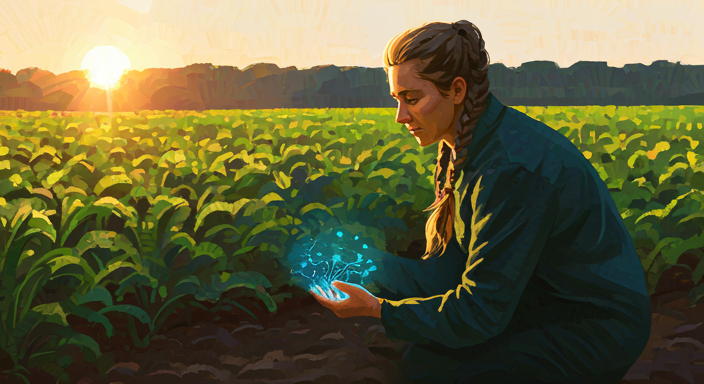
Organic Farming Training Program
“Shining Stars Trust Initiative”
Organic Farming Training Program and Its Importance
Organic farming is a sustainable agricultural practice that avoids the use of synthetic chemicals such as pesticides, fertilizers, and genetically modified organisms. Instead, it relies on natural processes, biodiversity, and eco-friendly techniques to maintain soil fertility and control pests. With increasing concerns about environmental degradation and human health, organic farming has become more important than ever. An Organic Farming Training Program plays a crucial role in educating farmers, students, and communities about these sustainable practices.
Organic Farming Training Program
An Organic Farming Training Program is designed to provide knowledge and practical skills related to organic agriculture. These programs usually include:
Such training empowers farmers to transition from conventional to organic farming and helps increase awareness about sustainable agriculture among the wider population.
Importance of Organic Farming
Organic farming is essential for several reasons:
1. Environmental Protection
Organic farming reduces pollution by eliminating harmful chemicals. It helps maintain soil health, conserve water, and promote biodiversity. By using natural fertilizers and methods, it ensures that ecosystems remain balanced.
2. Soil Health Improvement
Healthy soil is the foundation of agriculture. Organic practices enhance soil structure, increase microbial activity, and improve nutrient content, leading to long-term productivity.
3. Sustainable Agriculture
Unlike conventional farming, which can degrade resources over time, organic farming supports sustainability. It ensures that future generations can continue to grow food without harming the environment.
Health Benefits of Organic Farming
One of the biggest advantages of organic farming is its positive impact on human health:
Chemical-Free Food: Organic produce is grown without synthetic pesticides and fertilizers, reducing the risk of chemical exposure.
Higher Nutritional Value: Many studies suggest that organic foods contain higher levels of vitamins, minerals, and antioxidants.
Reduced Health Risks: Lower chances of diseases linked to chemical residues, such as certain cancers and hormonal imbalances.
Other Benefits
Conclusion
Organic farming is not just a method of cultivation but a way of living that respects nature and promotes health. Organic Farming Training Programs are essential in spreading awareness and equipping individuals with the knowledge needed to adopt these practices. By choosing organic farming, we take a step toward a healthier population, a cleaner environment, and a more sustainable future.